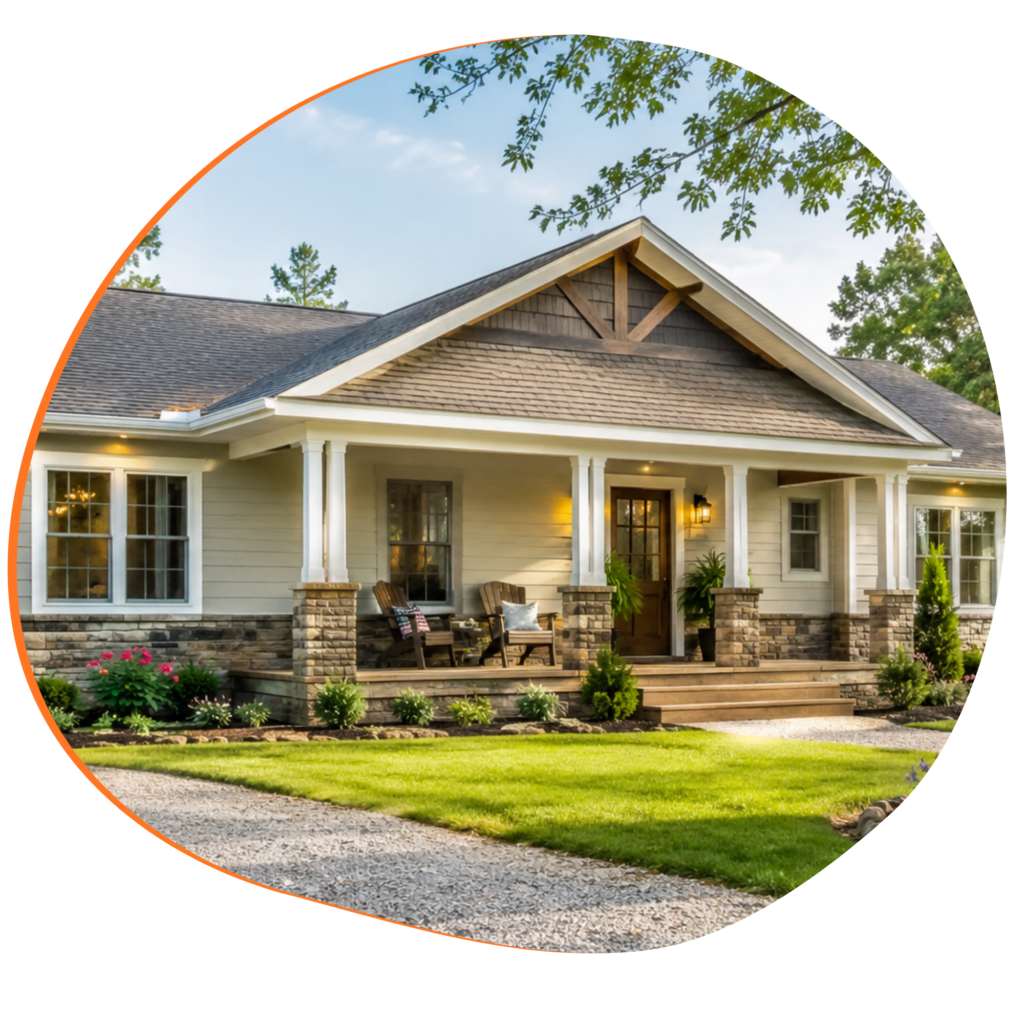
We start with the home, the improvements you are planning, and the estimated scope of work. Property type, occupancy, renovation plans, and contractor requirements can affect which programs are available.
Renovation Loans for Homes That Need Work
Buy a home that needs work and finance the purchase and renovation in one loan. FHA 203k, conventional, VA, and USDA options based on your situation. Available across our seven licensed states.
Independent Brokerage, Many Lenders
Licensed in 7 States
NMLS #2367229
Decades of Combined Experience
HOW IT WORKS
What Is a Renovation Loan and How Does It Work?
A renovation loan combines the financing for a home purchase or refinance with the cost of approved repairs or improvements in one mortgage.
Instead of financing the property first and paying for renovations separately, the loan is structured around both the home and the planned improvements. Depending on the program, the property may be evaluated using its expected value after the renovation is completed.
The first step is understanding the property, the work you want to complete, and which renovation program fits the project. We compare the available options before you commit to a loan structure or contractor.
Review the Property and Project
Compare Renovation Programs
We compare FHA 203(k), conventional, VA, and USDA renovation options based on your financial profile, the property, and the type of work being completed. The goal is to identify the program that fits the project rather than forcing the project into the wrong loan.
Plan the Financing and Process
Renovation financing may involve contractor bids, an after-improvement appraisal, renovation funds held for the project, and inspections as work is completed. We review those requirements with you before moving forward.
RENOVATION LOAN OPTIONS
What Renovation Loan Options Are Available?
Renovation financing is available through several loan programs, and the right option depends on the property, your financial profile, and the improvements you are planning. We compare FHA 203(k), conventional, VA, and USDA renovation options so you can see which program fits the project before moving forward.

FHA 203(k) Loans
FHA 203(k) financing allows eligible buyers and homeowners to combine a home purchase or refinance with approved renovation costs in one FHA-backed mortgage.
Limited 203(k)
Designed for smaller, less complex repairs and improvements that do not involve major structural work.
Standard 203(k)
Designed for more extensive rehabilitation projects and may accommodate structural repairs and larger renovation scopes.

Conventional Renovation Loans
Conventional renovation programs can combine home financing and renovation costs under conventional loan guidelines.
Programs such as Fannie Mae HomeStyle and Freddie Mac CHOICERenovation may provide additional flexibility depending on the borrower, property type, and planned improvements.

VA Renovation Loans
Eligible veterans, active-duty service members, and other qualified borrowers may be able to include approved repairs or improvements in a VA-backed mortgage for a primary residence.
Program availability and renovation requirements can vary, so we compare the available options based on the property and project before recommending a path forward.
USDA Renovation Loans
For eligible properties and qualified buyers, USDA renovation financing may allow the home purchase and approved renovation costs to be combined into one mortgage.
These programs are intended for qualifying primary residences in eligible rural and suburban areas, with requirements that vary by property, borrower, and renovation scope.
ELIGIBLE HOME IMPROVEMENTS
What Can Be Included in a Renovation Loan?
Renovation loans can finance many types of approved home improvements, depending on the loan program, property, and scope of work. Eligible projects may include kitchens and bathrooms, roofing, windows and doors, electrical, plumbing and HVAC systems, structural repairs, accessibility improvements, and energy-efficiency upgrades.

Kitchen and Bathroom Renovations
Approved renovation financing may include kitchen and bathroom improvements such as cabinets, countertops, fixtures, flooring, plumbing, and other functional upgrades.
Roofing, Windows and Doors
Eligible projects may include repairing or replacing roofing, windows, exterior doors, and related components that improve the condition, function, or protection of the home.

Electrical, Plumbing and HVAC
Approved renovation costs may include upgrades to essential home systems such as electrical, plumbing, heating, cooling, and ventilation.
Structural Repairs
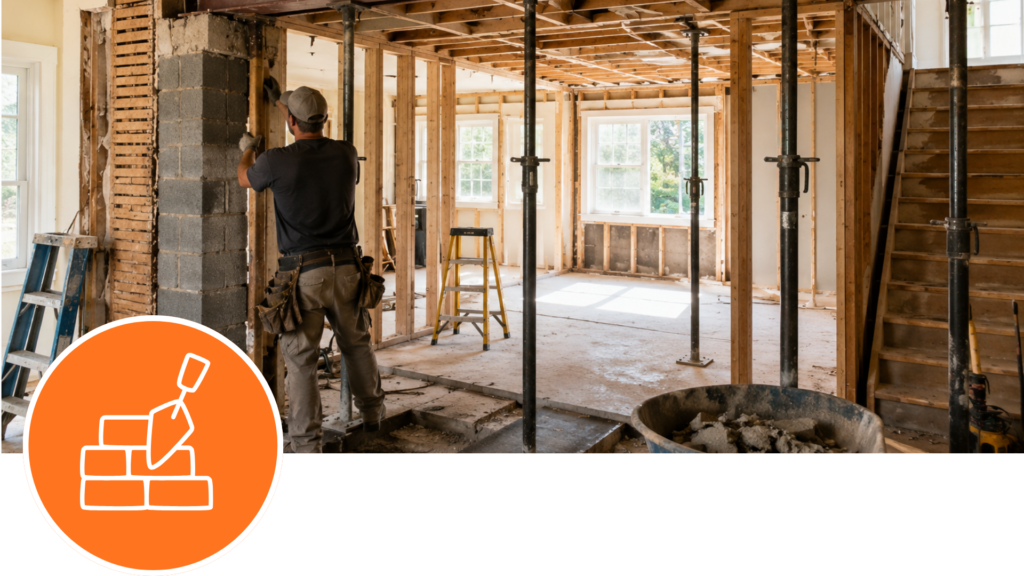
Certain renovation programs may finance eligible structural repairs or rehabilitation needed to improve the condition, safety, or function of the property.
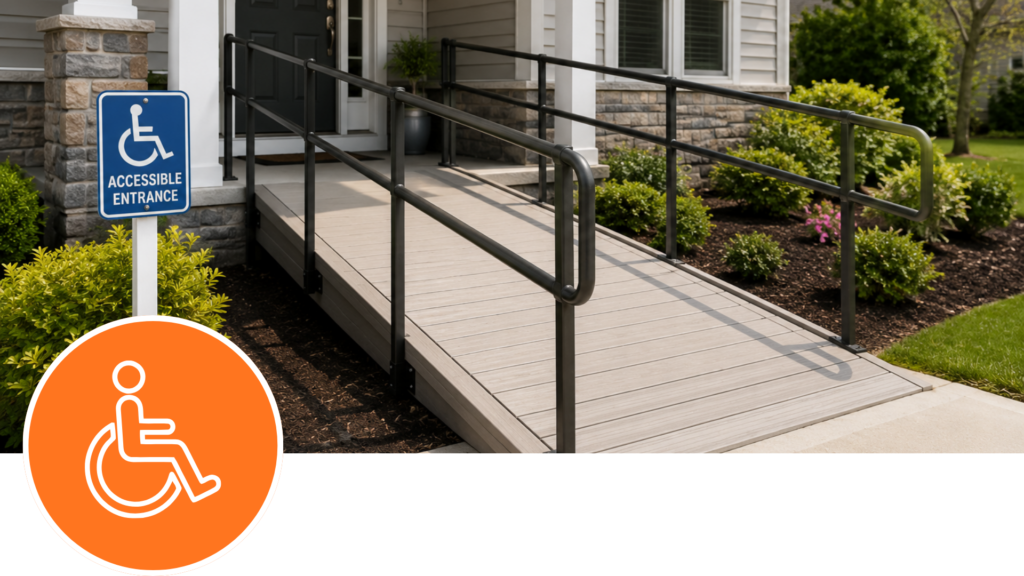
Accessibility and Safety Improvements
Eligible improvements may include ramps, handrails, wider doorways, bathroom modifications, and other approved changes that improve accessibility and safety within the home.
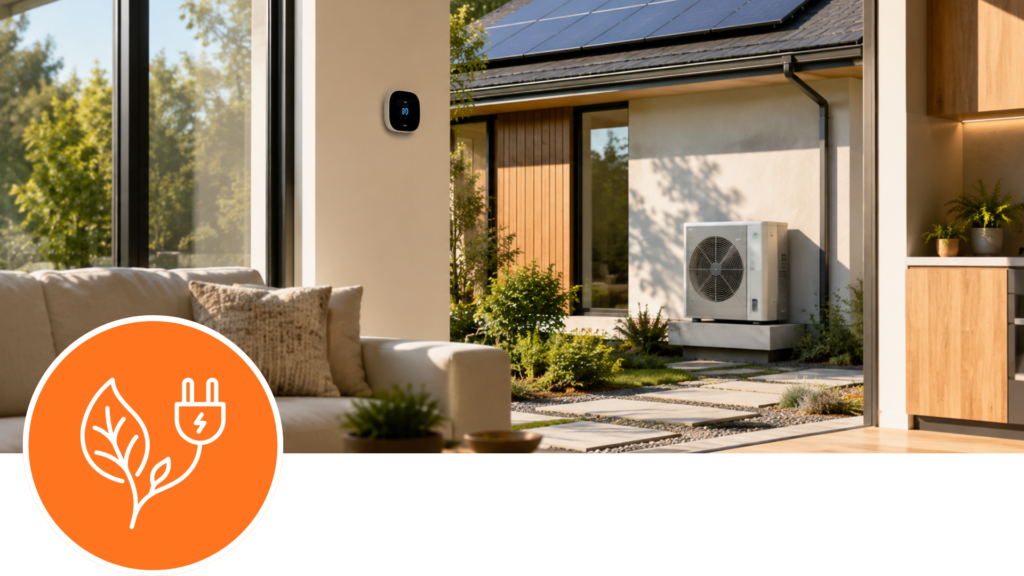
Energy-Efficiency Upgrades
Depending on the program, eligible improvements may include insulation, energy-efficient windows and doors, HVAC upgrades, air sealing, and other improvements designed to improve the home’s energy performance. An energy assessment may also be used to identify qualifying improvements and evaluate the expected energy benefits.
RENOVATION LOAN PROCESS
How Does the Renovation Loan Process Work?
Renovation financing includes a few additional steps beyond a standard mortgage because the loan must account for both the property and the planned improvements. Understanding the process early can help keep the project organized from financing through completion.

Review the Renovation Plan
Review the property, planned improvements, contractor estimates, and expected project scope.
Complete the Property Appraisal
The property may be evaluated based on its expected value after the approved renovations are completed.

Set Up Renovation Funds
Approved renovation funds are generally held for the project rather than paid directly to the borrower at closing.

Complete Work and Release Funds
Funds are released as approved work is completed and, when required, inspected according to the renovation program.
MAKING THE CALL
Is a Renovation Loan Right for You?
A renovation loan may be a good fit if you are buying a home that needs work or refinancing a home you already own and want to finance approved improvements as part of the mortgage. The right path depends on the scope of the project: smaller non-structural improvements may fit a Limited FHA 203(k), larger rehabilitation or structural work may call for a Standard FHA 203(k), and conventional, VA, or USDA renovation programs may provide another path. Our licensed brokers can help you compare those options based on the property and planned improvements.
We compare your options across multiple lenders so you see the real numbers before you decide.

THE BROKER ADVANTAGE
One Broker. Many Renovation Loan Options.
A bank can only offer the renovation programs and guidelines available through that bank. If its requirements for the property, contractor, eligible improvements, appraisal, or renovation process do not fit your project, your options stop there.
We are independent. We compare FHA 203(k), conventional renovation, VA renovation, and USDA renovation options across our lender network to find the structure that fits the property, planned improvements, and your financial profile.
If a standard purchase loan or another financing option fits the property better, we will tell you that too.
RENOVATION LOAN FAQ
Questions Buyers Ask About Renovation Loans
What is a renovation loan?
A renovation loan finances the purchase price of a home and the cost of improving it in a single mortgage, based on what the property will be worth after the work is finished rather than what it is worth today. It lets you buy a house that needs work without paying for repairs out of pocket.
What kinds of renovation loans are available?
The main paths are the FHA 203k, which is the most flexible on credit, and conventional renovation programs, which avoid permanent mortgage insurance for eligible borrowers. Which one fits depends on your credit, your down payment, and the scope of the work. We compare both before recommending either.
Can I use a renovation loan to buy a fixer-upper?
Yes, and that is the most common use. A standard mortgage generally requires the property to meet minimum condition standards at closing, which rules out many fixer-uppers. A renovation loan removes that barrier by financing the repairs as part of the purchase.
Can I refinance and renovate at the same time?
Yes. If you already own the home, a renovation refinance can replace your existing mortgage and fund the improvements in one loan, based on the after-improved value. It is often cheaper than a separate home equity loan or a contractor financing arrangement.
What work qualifies under a renovation loan?
Structural repairs, roofing, systems, kitchens, bathrooms, accessibility modifications, energy efficiency upgrades, and more. Programs differ on whether luxury items such as pools are eligible. Bring us the scope and we will tell you what the program covers before you commit to a contractor.
Do I have to use a licensed contractor?
Yes. Renovation programs require licensed and approved contractors, along with written bids and a defined scope of work. Funds are released in draws as work is completed and inspected rather than paid out at closing. That structure protects you as much as the lender.
How much down payment does a renovation loan require?
FHA 203k can start at 3.5 percent for eligible buyers. Conventional renovation programs typically start around 5 percent. In both cases the down payment is calculated against the total of the purchase price and the renovation cost, not the purchase price alone.
How long does a renovation loan take to close?
Renovation loans typically take longer to close than standard mortgages because they require additional documentation including contractor estimates, renovation plans, and an after-improvement appraisal. Most renovation loans take 30 to 60 days to close depending on the program, project scope, and how quickly documentation is submitted.
Review Your Renovation Loan Options
Renovation loan availability, limits, and requirements vary by program, property type, and financial profile. Start with a personalized review to explore FHA, conventional, VA, and USDA renovation loan options and see how renovation financing could support your homeownership plans.