
The most common path. Flexible terms, down payments as low as 3% for eligible buyers, and mortgage insurance that can come off once you build equity.
HOME PURCHASE LOANS
Find the Right Mortgage with Confidence
Buying a home is the largest purchase most people ever make, and the loan you choose shapes what you pay for decades. As an independent broker, we compare programs and pricing from many lenders, then walk you through the numbers in plain language. Available across our seven licensed states.
Independent Brokerage, Many Lenders
Licensed in 7 States
NMLS #2367229
Decades of Combined Experience
HOME PURCHASE LOAN
What Is a Home Purchase Loan and How Does It Work?
A home purchase loan is financing used to buy a property, secured by the property itself. You bring a down payment, a lender covers the rest, and you repay it over a set term at an agreed rate.
That part is simple. What surprises most buyers is how much the details vary between lenders. Two lenders can look at the same borrower, the same property, on the same day, and come back with different rates, different fees, and different programs you qualify for. That gap is real money, and it is the reason comparing matters.
Your rate, payment, down payment, and closing costs depend on your credit profile, income, assets, debts, the property, and the program you choose. As an independent broker, we are not limited to one institution’s menu. We compare across our lender network and bring you the options that actually fit.
Review Your Financial Profile
Your credit, income, debts, assets, down payment, and property details determine which loan options are open to you. We start here so nothing surprises you later.
Compare Loan Programs
We compare programs and pricing across multiple lenders, including Conventional, FHA, VA, USDA, Jumbo, and Down Payment Assistance, and lay the trade-offs out side by side.
Choose a Path Forward
Once you can see the real numbers, you decide: get pre-approved, adjust the budget, or start shopping with a letter in hand.
DOWN PAYMENT
How Much Do You Actually Need for a Down Payment?
Most buyers believe the number is 20%. It usually is not.
Twenty percent lets you avoid mortgage insurance, and that is worth something. But waiting years to reach it while prices and rents climb can cost more than the insurance would have. Here is what is actually available:

0% Down.
VA loans for eligible service members and veterans, and USDA loans in qualifying areas.
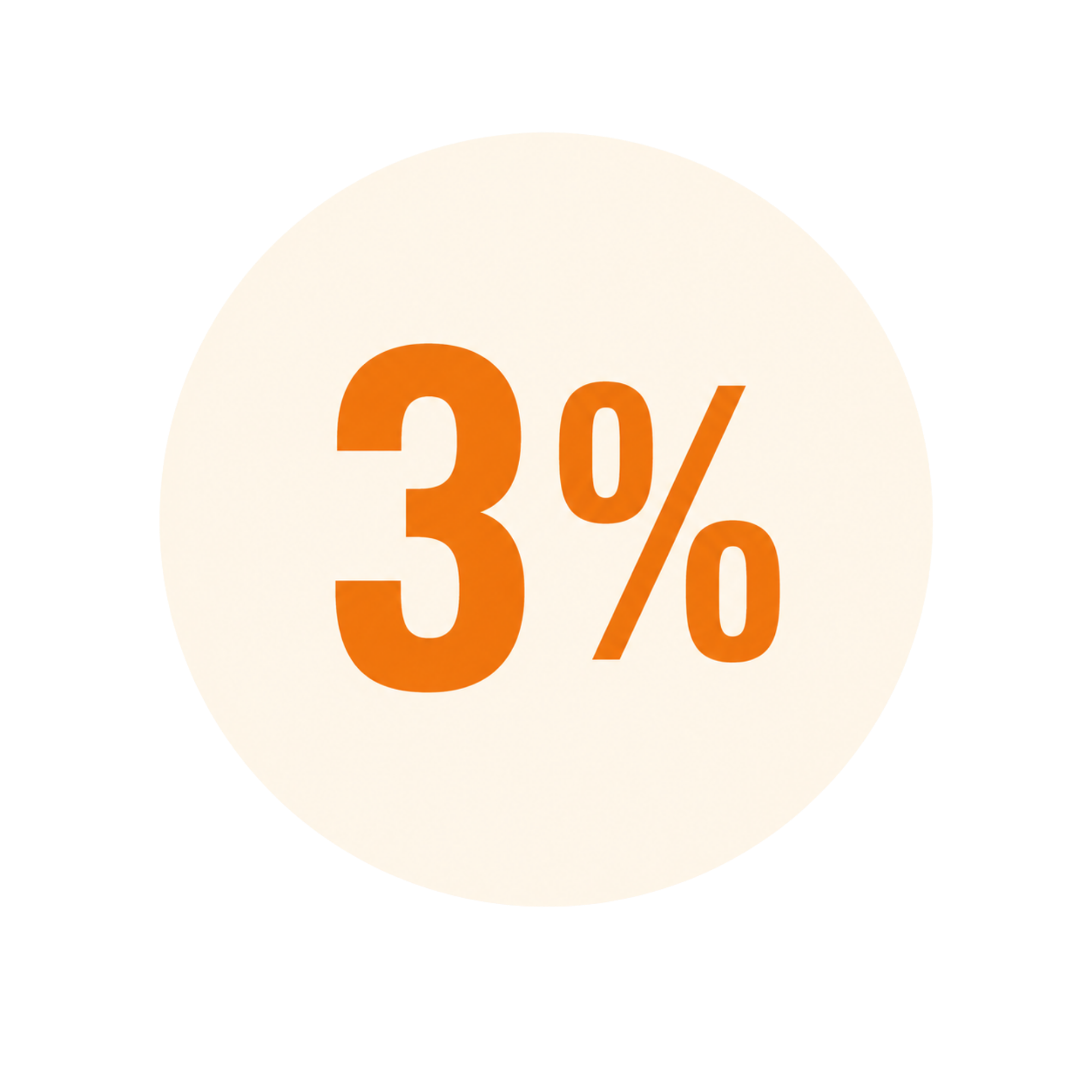
3% Down.
Some conventional programs for eligible buyers.
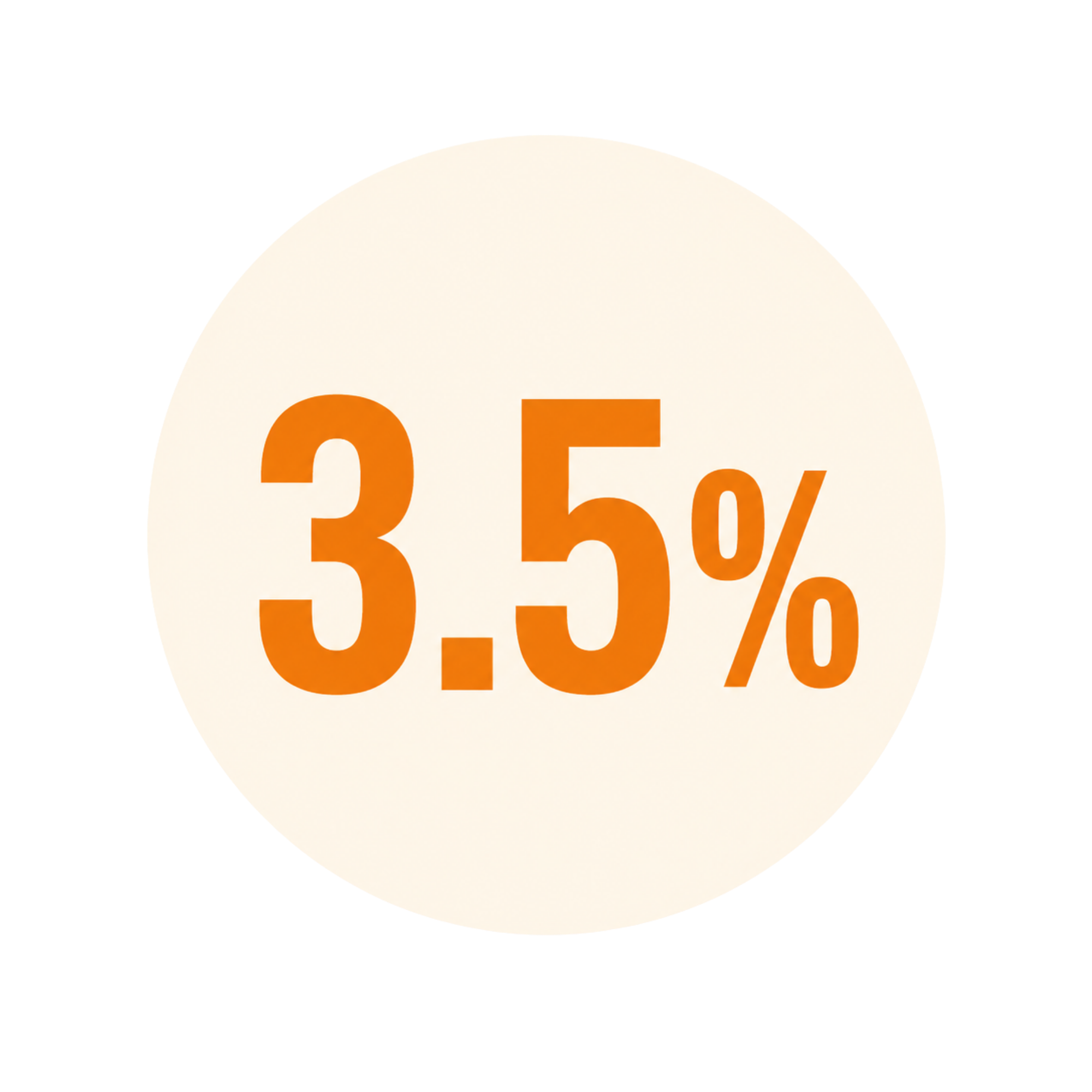
3.5% Down.
FHA loans, one of the most accessible paths for buyers with shorter credit histories.
Down Payment Assistance.
Grants and deferred-payment loans that can reduce what you bring to closing.
Mortgage insurance on a conventional loan is not permanent either. Once you build enough equity it can typically be removed, which is a very different situation from paying rent indefinitely.
The right answer depends on your goals, your timeline, and what you qualify for. That is a conversation, not a rule of thumb.
CREDIT
What Credit Score Do You Need to Buy a Home?
Lower than most people think.
FHA loans can work for buyers with credit in the 500s and 600s depending on the lender and the rest of the file. Conventional loans generally start around 620. VA loans have no minimum set by the VA itself, though individual lenders set their own.
Credit is one input, not a verdict. Income stability, down payment, debt load, and the property all factor in. And because lenders add their own overlays on top of program minimums, a file one lender declines can be perfectly workable at another. That gap is exactly what a broker is built to find.
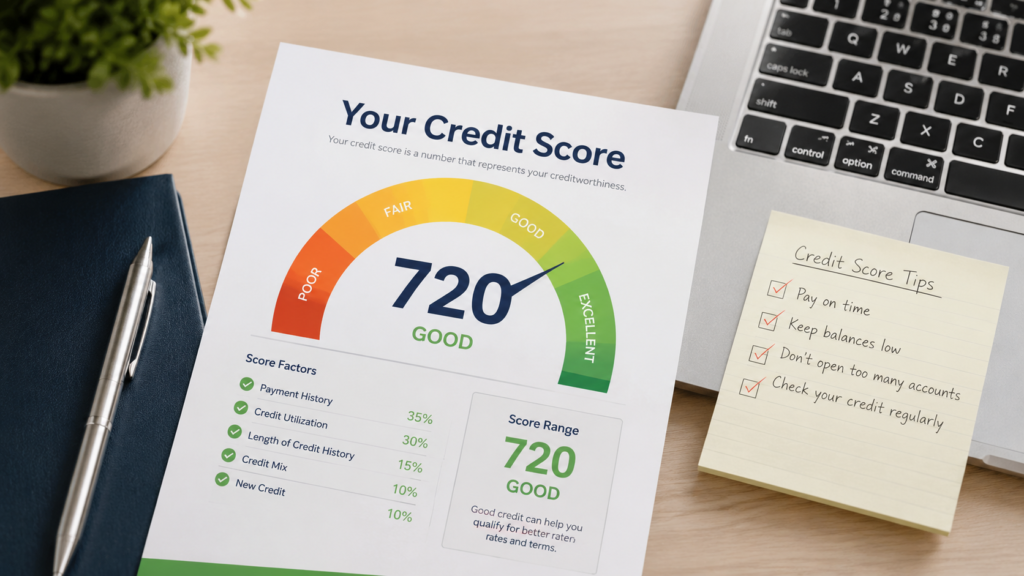
If your score is not where you want it, tell us. Sometimes a few targeted moves over 60 to 90 days change what is available to you.
HOME LOAN OPTIONS
What Home Loan Options May Be Available to Buyers?
There is no single best loan, only the best loan for your situation. Here are the main paths buyers take, and we will help you compare them side by side.

FHA Home Loans
Government-backed and built for accessibility. As little as 3.5% down and more flexible credit requirements than most conventional programs.

VA Home Loans
Earned through service. Zero down payment, no mortgage insurance, and competitive rates for eligible veterans, active-duty members, and surviving spouses.
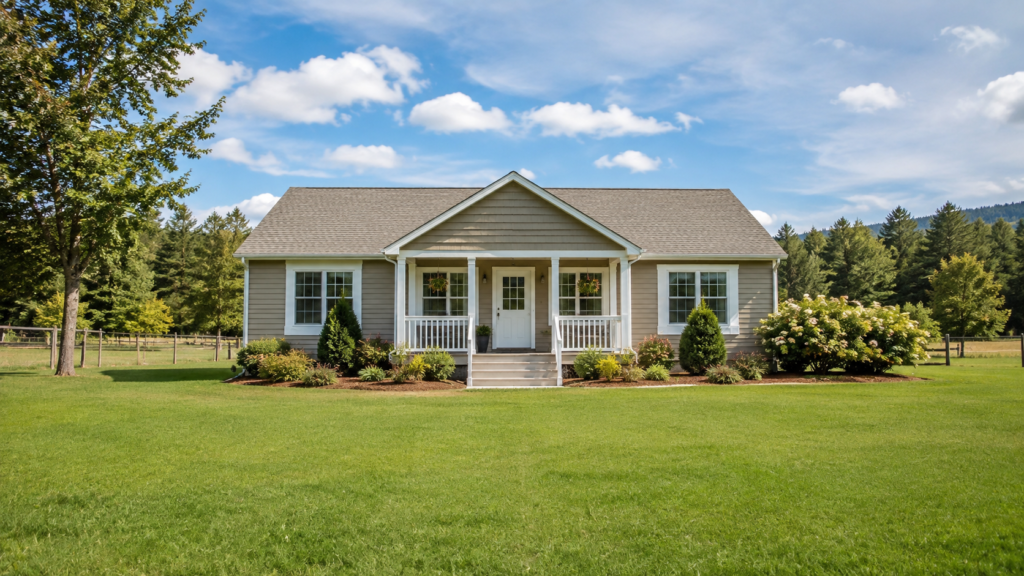
USDA Home Loans
No down payment required in eligible rural and suburban areas. More neighborhoods qualify than most buyers expect.
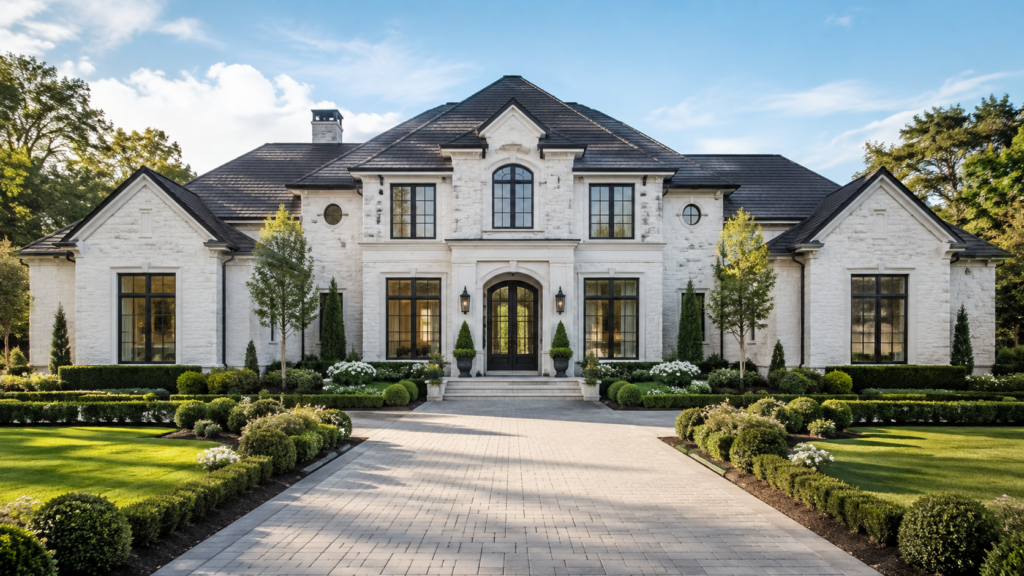
Jumbo Home Loans
For purchases above the conforming limit of $832,750 in most markets. Competitive rates and flexible structures for higher-value homes.

Down Payment Assistance
Grants and deferred-payment programs that reduce the cash you need at closing. Availability varies by state and by program.
Buying an investment property? Financing a rental is a different conversation. DSCR loans qualify on the property’s rental income rather than your personal tax returns. Explore DSCR Loans ›
THE BROKER ADVANTAGE
One Broker. Access to Many Lenders.
A bank can only offer what that bank sells. If their FHA pricing is uncompetitive this week, you will never hear about it, because they have no reason to tell you.
We are independent. We shop our lender network for your scenario, and because brokers access wholesale pricing, the options often beat what the same borrower would be quoted at a retail branch. You get more choices, an honest comparison, and someone whose job is to represent you rather than a product line.
That is the whole reason Mortgage Marketplace exists.
HOUSING OREGON’S HEROES
Serving the Heroes of Our Community
Teachers, first responders, military, and healthcare workers give a great deal to our community. Housing Oregon’s Heroes gives back with discounted loan origination fees and straightforward guidance on your home purchase.

BUYING A HOME FAQs
Answers Before You Ask
How much do I need for a down payment to buy a home?
Less than most buyers expect. VA and USDA loans can require no down payment for eligible buyers, FHA loans start at 3.5%, and some conventional programs start at 3%. Down payment assistance grants and deferred-payment loans may reduce it further. Twenty percent avoids mortgage insurance, but it is not required to buy.
What credit score do I need to buy a home?
FHA loans can work for scores in the 500s and 600s depending on the lender and your overall file. Conventional loans generally start near 620. VA loans have no minimum set by the VA, though individual lenders set their own. Credit is one factor alongside income, debts, assets, and the property.
How long does it take to buy a home?
Pre-approval often takes one to two business days once we have your information. After you have an accepted offer, closing takes 21 to 30 days in most cases, depending on the loan program, the property, and how quickly documents come together.
What is the difference between pre-qualification and pre-approval?
Pre-qualification is a rough estimate based on information you share. Pre-approval involves reviewing your credit, income, and assets, and it produces a letter sellers take seriously. In competitive markets, a pre-approval letter is usually the minimum to be treated as a real offer.
How does a mortgage broker help me buy a home?
A bank offers only its own products. As an independent broker, Mortgage Marketplace compares programs and pricing across multiple lenders, which means more options and a clearer view of the real differences in rate, fees, and terms before you commit.
Can I buy a home if I am self-employed?
Yes. Traditional programs use tax returns to calculate income. Depending on lender guidelines, bank statement, 1099, and asset-based programs may also be available if your tax returns do not reflect your full earning picture.
Can I buy an investment property with a home purchase loan?
Yes, though the programs differ. Conventional loans allow investment properties with larger down payments. DSCR loans qualify based on the property’s rental income rather than your personal income, which is often a better fit for investors.
Does getting a rate quote affect my credit?
A quote itself does not. When you move forward and we pull credit, that is a hard inquiry, though multiple mortgage inquiries within a short shopping window are typically treated as a single event by scoring models.
What states does Mortgage Marketplace serve?
We are licensed in Oregon, California, Washington, Idaho, Texas, Florida, and Montana, with offices in Salem and Eugene, Oregon.
Ready to See Your Options?
Tell us what you are trying to accomplish and we will compare programs across our lender network, then walk you through the numbers so you can decide with clarity. No obligation.